Posts

Ron Reimink knew how uncomfortable and annoying swimmer’s itch could be. He spent much of his adult life trying to eradicate it in lakes across northern Michigan. Then one day, he realized he was completely wrong, writes Dan Wanschura in this story adapted from an Interlochen Public Radio podcast. Glen Lake is one of the most beautiful lakes in the world—clear turquoise-colored water, with Sleeping Bear Dunes National Lakeshore off in the distance. It was an ideal setting for Reimink’s summer job. One particularly beautiful day, Reimink, who’s a biologist, was walking around the lake, through the water, up and over docks, doing research on ducks. Then, a couple hours after he’d wrapped up for the day, he started to get this sensation in his legs. He looked down, and there were all these red spots popping up. Each one was around the size of a nickel. They started to itch like crazy. “And I literally scratched many of them until they bled,” Reimink said. “It was so intense.”

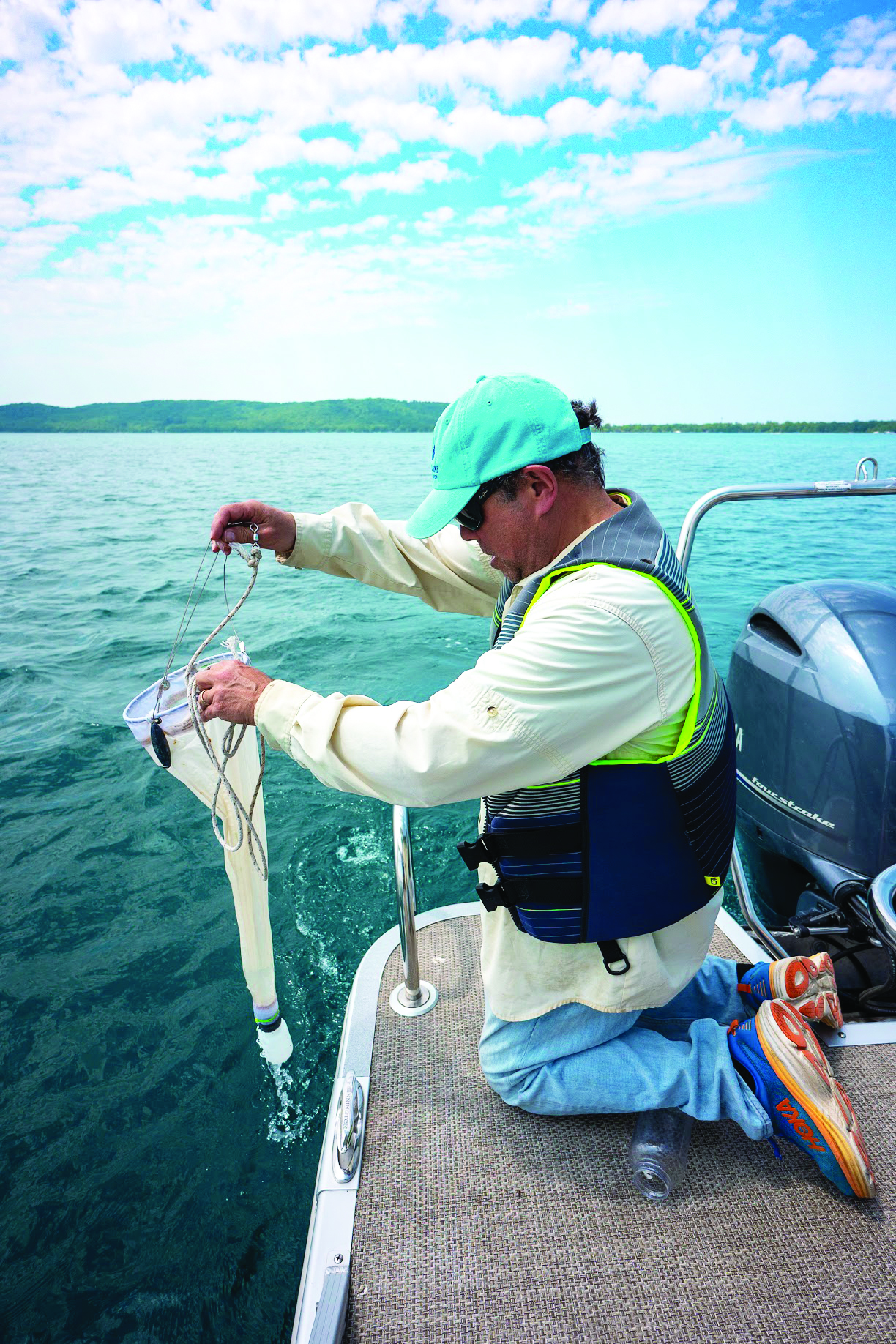
Each Friday in July the Glen Lake Association’s 23-foot Bennington pontoon boat called the Discovery Boat offers a couple two-hour tours that depart from Glen Craft Marina on Big Glen Lake and visit Fisher Lake, which connects the Glen Lakes with the Crystal River. The intent is to offer waterfront landowners and environmental stewards a narrated, hands-on educational tour of the health of these lakes.

This summer, the Glen Lake Association, in collaboration with the Grand Traverse Band of Ottawa and Chippewa Indians (GTB), will deploy a targeted, nonchemical treatment to eradicate three colonies of invasive Eurasian watermilfoil, or EWM, discovered in the deep basin of Little Glen Lake last year. These efforts aim to protect Glen Lake’s ecological integrity by preventing the spread of EWM and supporting the return of native plant species to affected areas.

The Glen Lake Association has named Kate Gille as its first-ever executive director. Gille will lead the organization in advancing its mission of “preserving and protecting the water quality, natural resources, and quality of life in the Glen Lake/Crystal River Watershed through leadership, education, and collaboration.”

The Glen Lake Association (GLA), a nonprofit dedicated to preserving and protecting the water quality and natural resources in the Glen Lake and Crystal River Watershed, has announced its search for an executive director. Since 1945, GLA has aimed to be the recognized leader in evidence-based strategies for protecting the watershed while advancing environmental education, sustainable policies, and quality of life. This brand-new position reflects the organization’s commitment to building upon its strong foundation to ensure future growth and success. “This is an exciting time for the Glen Lake Association,” said Stan Kryder, GLA Board President. “The new executive director will play a vital role in shaping the future of the GLA and preserving the long-term health of the watershed.”

For many people visiting and moving here, it’s all about the water. Unfortunately, the same is true for other, less-welcome entities: Eurasian watermilfoil, Quagga mussels, purple loosestrife and other invasive species. Combating these and other unwelcome plants and animals is an ongoing challenge. For example, Lake Leelanau has been in the news for its battle against Eurasian watermilfoil, a plant native to Europe, Asia, and North Africa. Now Glen Lake has discovered signs of the plant. If unchecked, it spreads quickly and forms thick mats in shallow areas. It blocks sunlight and kills native aquatic plants that fish and other underwater species rely on for food and shelter. Glen Lake Association watershed biologist Rob Karner says treating invasives follows a simple formula: find it, deal with it, and repeat until it’s gone. But while the formula may be simple, it’s far from easy.

In early June, Glen Lake Association (GLA) watershed biologist Rob Karner reported a significant fish die off, the likes of which he had never before seen in his more than 40 years of observing the lakes and rivers in the Glen Lakes watershed. The die off included at least four species—perch, small mouth bass, northern long nosed gar, and sand shiners.

The Glen Lake Association (GLA), which turns 75 years old this year, is advocating for the creation of an “Overlay District” to protect the Glen Lake and Crystal River watershed. The initiative, three years in the making, is modeled after the Crystal Lake Overlay District in Benzie County, which took effect 25 years ago. A consultant hired by the GLA also championed the Crystal Lake district in the mid-1990s.

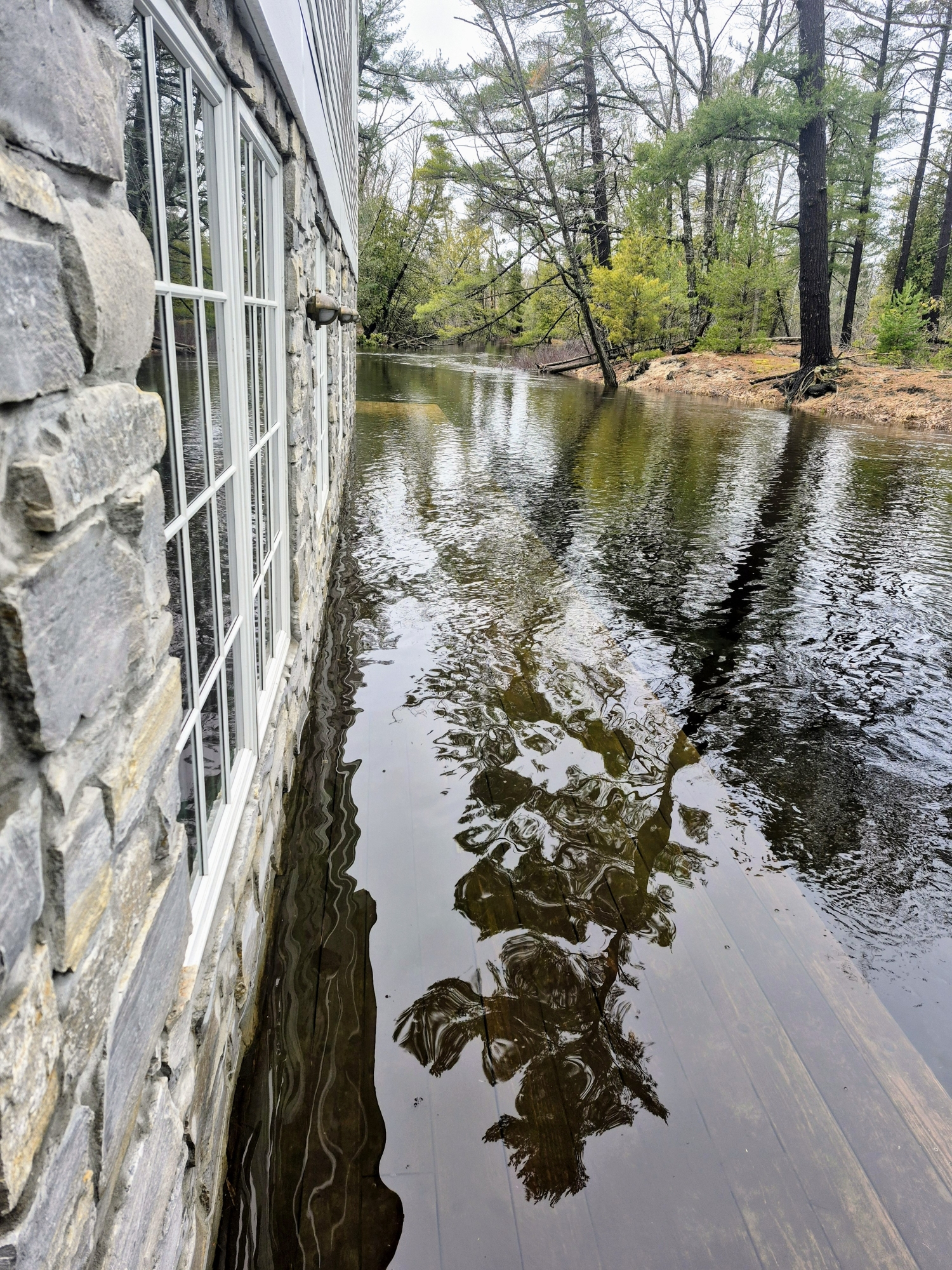
Meet Bill Meserve and Cal Killen, two of the people responsible for managing water levels in the Glen Lakes as well as the Crystal River. Under the auspices of the Glen Lake Association (GLA), these volunteers serve on the Water Level Committee appointed to balance the needs and demands of both lake shore and river’s edge owners, as well as the businesses that depend on these stunningly beautiful and fragile water resources.

July 15-19 is Water Week at the Glen Arbor Arts Center (GAAC). As part of its exhibition “New Views: Water = Life = Art,” the GAAC offers three events that examine water from different perspectives.