
Stones are the bones of the Earth
 By Michael Murphy
Sun contributor
“Landscape Stonemasonry is an All Generations Event.” ¬— a Chinese Proverb
Stone is a substance conspicuously linked to the history of the human race. It has provided shelter from the elements, protection from enemies, housed goddesses and gods and reflected the wealth of nations. Stone has been used for tools, weapons, millstones for grinding grain and carved to honour the living and the dead.
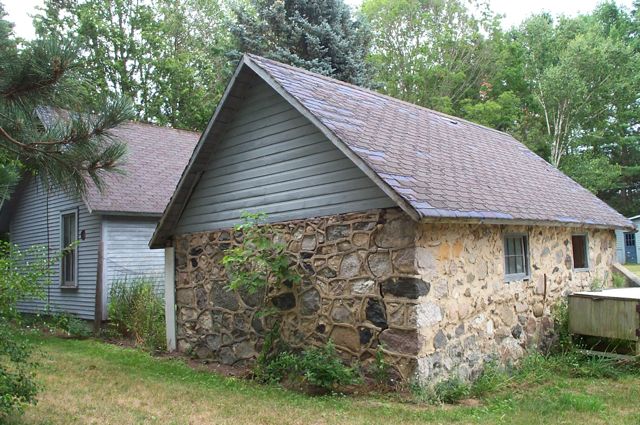
Agriculture has been and will remain a utilitarian proving ground for stonemasonry. The ramps, retaining walls, silos and barn foundations of Leelanau and Benzie Counties and beyond bear witness to our forefathers crop-gathering and animal husbandry. While most of the heavy lifting and high work was done by experienced builders, stone clearing in the fields was done by the generalized labor force comprised from adult age to children. Stone from fields was placed in “stoneboats” and drug by horses and oxen to the periphery and dumped or hauled to myriad building sites for consumption. The net effect was twofold: more easily cultivated land and building material.
Building with stone is divided into 2 general categories: The oldest being “dry laid” or “dry stone “ masonry. It relies on the principles of friction and gravity to keep the stone in place. The second is “wet” or mortared stonemasonry which employs a limestone- based material – which when mixed with water “sets”, that is hardens, and along with friction and gravity also holds the stone in place.
Stone may be used as a surround to contain earth in raised garden beds. Landscape fabric can be placed inside against the stones as a diaper to prevent soil from spilling out between. The benefits of raised beds with stone are aesthetic, increased crop production in smaller areas, higher soil temperatures accelerating root and hence plant growth — plus less crunching and stooping over to tend the plot!
Walkways and patios are best built with a generous foundation of vibratory compacted crushed stone underneath. This allows water to perk away rather than freeze and heave the construction out of level. The periphery soil-contacting area should be lined with fabric as well to prevent soil infiltration, which would clog up water percolation.
Freestanding and retaining walls may be mortared or dry-laid depending on conditions and aesthetic desire. When setting larger stone in walls consider levers and pry bars as essential helpful instruments. The ancient method of using a gradual inclined plane of shoveled up earth or stout planks — preferably hardwood, is a simple and economical assist in placing stone high. “Battering” or leaning in toward the inside of the wall or retained earth is a practical consideration — particularly in dry stonemasonry. With our round watermellonish Michigan fieldstone, 2-3 inches of batter per vertical foot is recommended. Freestanding dry-stone walls typically contain an interior of small rubble known as “hearting “ or “corefill”. This serves to prevent the wall from slumping inward and shifting.
Part of the joy to be found in stonemasonry is certainly in the imaginative and constructive processes themselves. Bringing a project to life from conception to reality imparts its own rewards. There is also adventure in sourcing the stone itself. I have purchased stone from local farmers who regaled me with stories of a life of living on the land. Most farmers are willing to sell surplus stone and if you are fortunate, they may have a tractor with bucket to help load the larger stone. Gravel pits and landscape suppliers offer many choices of stone as well.
Whatever you do — pick a stonemasonry project that enthuses you and those involved both participants and spectators. The spectators are only dormant-future participants. Well conceived and executed stone projects can be infectious social events — they catalyze, coalesce and move people into collective action. It may be a child placing cobblestones or bringing You a drink of water. Always plan for safety and enjoy the camaraderie of many generations that stonemasonry projects offer.
Michael Murphy is an itinerant stonemason in Benzie County.