
National Park defends mowing Port Oneida wildflower fields
From staff reports
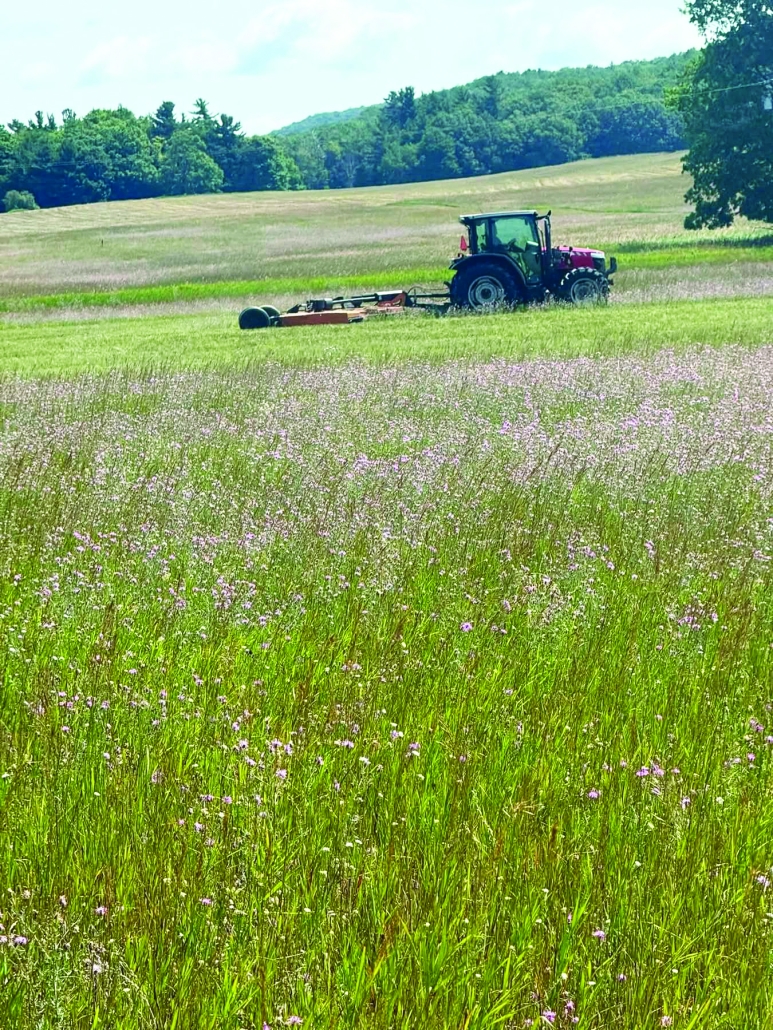
Several Glen Arbor residents who frequently run or paint in the Port Oneida Rural Historic District, which is part of the Sleeping Bear Dunes National Lakeshore northeast of Glen Arbor, expressed chagrin at the National Park’s decision in late July to mow down wildflower fields at the Olsen and Dechow farmsteads. The concerned locals claimed the fields were mowed at the height of pollinator season, with monarch butterfly migration—and the Port Oneida Fair—just weeks away.
“These fields aren’t just ‘beautiful’. They are critical habitat. Bees, butterflies, and countless other pollinators depend on them,” one resident wrote to the Park. “In a time when climate change is very real and biodiversity is under threat, this kind of practice is unacceptable.”
Merrith Baughman, director of interpretation & visitor services at Sleeping Bear Dunes, offered the following written response to the Sun on Aug. 6.
“The Park appreciates the opportunity to discuss its mowing program in the Port Oneida Rural Historic District and explain how this work supports both the historic character of the landscape and the ecological communities that depend on it.
Port Oneida is managed as a historic cultural landscape, preserving the traditional agricultural appearance and open fields that define the district. To maintain this character, the park follows the Cultural Landscape Management Plan and guidance from the 2011 Environmental Assessment, which outline how periodic mowing prevents fields from becoming overgrown with both native and non-native invasive woody species and losing their historic setting.
At the same time, the National Park Service (NPS) has a responsibility to protect natural resources, including the pollinators that rely on these open fields. The Park has received funding to inventory pollinator habitat across Port Oneida and other mowed field areas, along with broader bee, reptile, and amphibian surveys. These efforts will help us better understand species presence—including sensitive species like the American Bumble Bee—and ensure that our management practices support their conservation.
Because NPS management involves balancing cultural and natural resource protection, our mowing program incorporates several mitigation measures to reduce impacts on pollinators, including: adjusting mowing timing and frequency to avoid peak pollinator activity where feasible; evaluating fields for sensitive species based on ongoing inventory results; coordinating closely between cultural landscape managers and natural resource specialists to align preservation needs with ecological stewardship.
While mowing can temporarily change how the fields look, it is part of a long‑term, thoughtful approach to caring for both the historic landscape and the natural communities that make Port Oneida such a special place.”


