It’s that time of year again as many in northern Michigan, including here in Leelanau County, begin tapping the maple trees to reap their golden harvest. As Old Man Winter fades, maple trees offer us the first gift of the season—a pure, golden sap which through lots of hard work is transformed into the rich, sweet syrup beloved by many. The 2025, U.S. maple syrup industry produced 5.7 million gallons according to the USDA statistics service. Tapping Maple trees for their sap began long before Europeans settled in America. Early origins of maple sugaring are preserved in oral traditions of Anishinaabeg and other tribes of northern Michigan and northeastern North America. The Anishinaabe people began the deep connection to the tradition and referred to the season as Ziinzibaakwadoke Giizis (Sugar Moon). “We are celebrating a tradition that started with indigenous groups in the American Northeast and Great Lakes that included the Anishinaabe,” said William Derouin, Agricultural Manager at the Grand Traverse Band of Ottawa and Chippewa Indians. This program has grown to include the GTB Sugarbush camp, which will be held in Peshawbestown on March 13-14 and March 20-21.
Posts
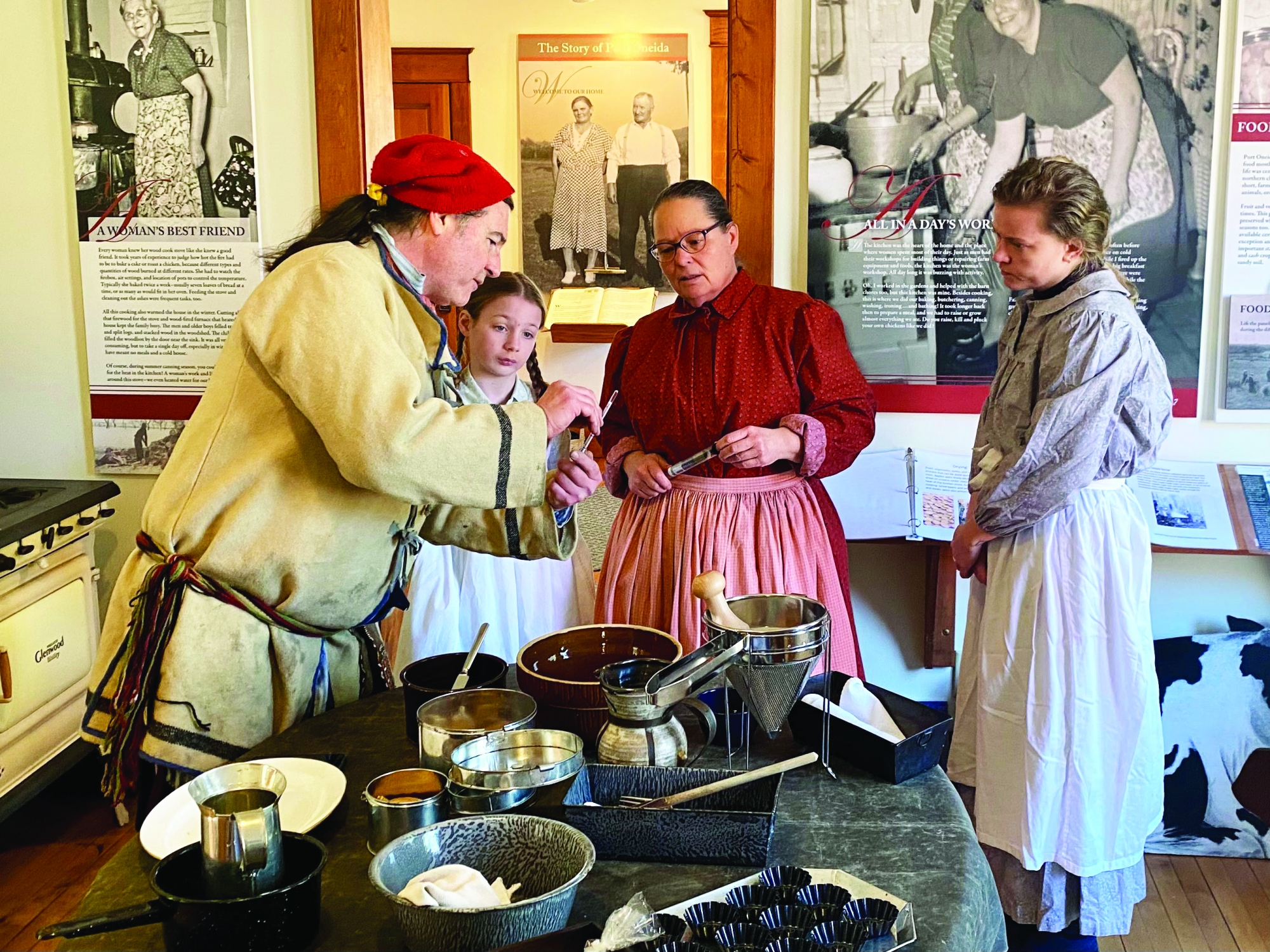
March is maple sugaring time in northern Michigan. An annual Maple Sugaring Days event presented by Sleeping Bear Dunes National Lakeshore in partnership with Preserve Historic Sleeping Bear will be held over two days–March 7-8 at the Olsen and Dechow Farms. Saturday hours are 10 am-3 pm and Sunday hours are 11 am-3 pm. Maple Sugaring Days offers a variety of demonstrations and hands-on activities to get outdoors and learn about the history of maple sugaring.
Share this:
- Share on Facebook (Opens in new window) Facebook
- Share on X (Opens in new window) X
- Email a link to a friend (Opens in new window) Email
- Share on Reddit (Opens in new window) Reddit
- Share on Pinterest (Opens in new window) Pinterest
- Share on LinkedIn (Opens in new window) LinkedIn
- Print (Opens in new window) Print
- Share on Tumblr (Opens in new window) Tumblr
It is maple sugaring time in northern Michigan, and Sleeping Bear Dunes National Lakeshore is hosting its second public maple sugaring event. Maple Sugaring Days will be at the Dechow and Olsen farms in the Port Oneida Rural Historic District Saturday, March 2, and Sunday, March 3, each day from 10 a.m. to 3 p.m. Experience the process of making maple syrup from start to finish and learn how maple sugaring has evolved over the last 400 years. Maple Sugaring Days is presented by the National Lakeshore in partnership with Preserve Historic Sleeping Bear, and in collaboration with the Grand Traverse Band of Ottawa and Chippewa Indians’ Natural Resource Department. On Saturday, March 2, join a Community Pancake Breakfast from 8 a.m. to 2 p.m., just down the road from Port Oneida at CQ’s Cabin in the village area of The Homestead Resort.
Share this:
- Share on Facebook (Opens in new window) Facebook
- Share on X (Opens in new window) X
- Email a link to a friend (Opens in new window) Email
- Share on Reddit (Opens in new window) Reddit
- Share on Pinterest (Opens in new window) Pinterest
- Share on LinkedIn (Opens in new window) LinkedIn
- Print (Opens in new window) Print
- Share on Tumblr (Opens in new window) Tumblr
Sleeping Bear Dunes National Lakeshore in partnership with Preserve Historic Sleeping Bear will host Maple Sugaring Days at the Dechow and Olsen Farms in the Port Oneida Rural Historic District on Saturday, March 4, and Sunday, March 5 from 10 am-3 pm each day. Join park rangers, volunteers, and special presenters at this new event to learn the history of maple sugaring and the process of making maple syrup from start to finish.
Share this:
- Share on Facebook (Opens in new window) Facebook
- Share on X (Opens in new window) X
- Email a link to a friend (Opens in new window) Email
- Share on Reddit (Opens in new window) Reddit
- Share on Pinterest (Opens in new window) Pinterest
- Share on LinkedIn (Opens in new window) LinkedIn
- Print (Opens in new window) Print
- Share on Tumblr (Opens in new window) Tumblr


