Posts

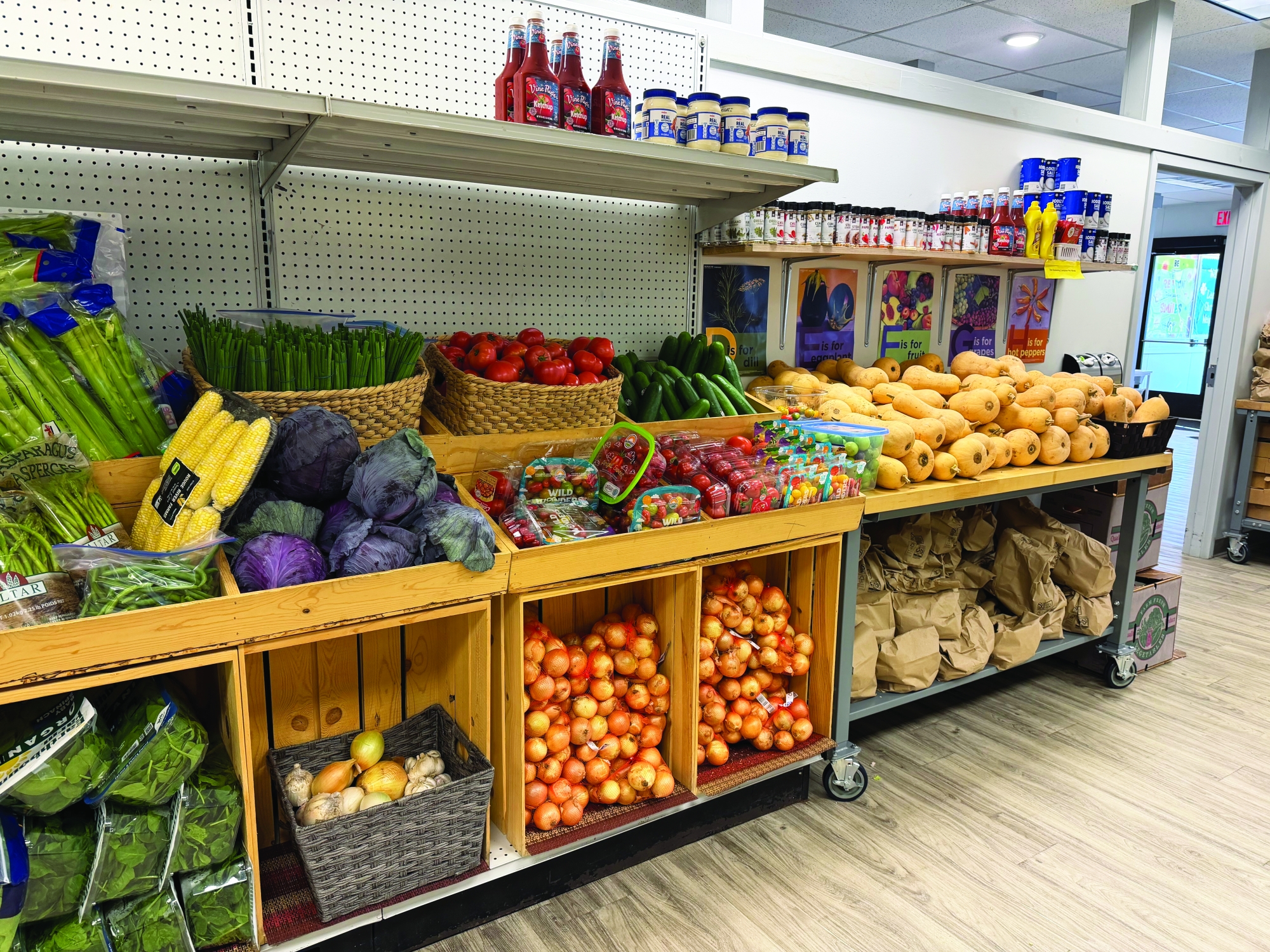
County residents in need of food assistance flock each Monday afternoon to Leelanau Christian Neighbors, where the food pantry shelves are stocked with fresh vegetables, from onions to butternut squash, and canned goods that cover all the food groups. Some lined up early on Nov. 3, two days after the federal government froze funding for SNAP—more commonly known as food stamps—which approximately 42 million Americans rely on for food each month. The floodgates weren’t open yet. “Now this is the month they’ll get way behind,” LCN executive director Mary Stanton predicted. “I’m anticipating December and January will be tough—especially as utilities kick in. But we’ve had a great outpouring of the community anticipating that it will get bad.” At a perilous moment for working people, Leelanau Christian Neighbors are stepping up, along with other community organizations including Food Rescue and the Northwest Food Coalition, 5 Loaves 2 Fish, the Empire Area Food Pantry, Folded Leaf, Lively NeighborFood Market, Art’s Tavern and the Empire Area Community Center—all of which have pledged additional support.

On Wednesday, Nov. 5, at noon the League of Women Voters of Leelanau County will host a public forum: “Federal Dollars & Rural Healthcare: What’s Ahead for Our Region?” at the Leelanau County Government Center off M-204, between Lake Leelanau and Suttons Bay.

The Trump administration’s federal policies and steep tariffs are adversely impacting Leelanau companies that sell chocolate, coffee, fruit and wine. “Never in my 23 years as a small business owner have I felt obstructed by our national government in my ability to operate, manage, and grow my business as I do now under President Trump,” said Grocer’s Daughter Chocolate co-owner Jody Hayden. “Like many small businesses, we’re feeling the effects of a very uncertain and volatile global economy.” On its most recent shipment of bulk chocolate, valued at $171,500, the small business based in Empire paid a tariff of $24,725 after Trump raised duties on Ecuadorian products to 15 percent on July 31.

A tribe and several conservation groups were gearing up to remove old culverts and rehabilitate 29 streams across northwest lower Michigan: shelling out for contracts with county road commissions, hiring construction crews and prepping sites. Now, more than $20 million set aside for that work has been clawed back by Congress, leaving those involved $450,000 poorer and halting the project. The Grand Traverse Band of Ottawa and Chippewa Indians received the award in 2023 as part of a US Department of Agriculture program called the Regional Conservation Partnership Program, or RCPP. It was the only project in Michigan to receive money that year. A supplemental pot of money created by then-President Joe Biden’s Inflation Reduction Act in 2022 was largely rescinded when President Donald Trump signed the One Big Beautiful Bill Act on July 4, leaving places like northwest lower Michigan caught in the crosshairs.

Jane Rapin, a community nutrition instructor with Michigan State University Extension, offered a food demonstration that featured fresh asparagus and quinoa salad earlier this spring at Leelanau Christian Neighbors’ food pantry in Lake Leelanau. May and early June are asparagus season in northwest Michigan, and LCN received a donation of locally grown stalks. “It was very well received. People were inspired by it,” said Rapin. “We did a short presentation about why this is nutritious and how cook with it. It’s important that we reach people who may not be familiar with asparagus.” Rapin’s work at the food pantry and other Leelanau locations including Northport high school and the Benodjenh tribal Head Start preschool in Peshawbestown is funded by the Nutrition Education and Obesity Prevention Grant Program, or commonly known as SNAP-Ed. The national nutrition education program is slated for elimination under the budget bill passed on May 22 by a single vote by the Republican-controlled House of Representatives. The Senate will pass its own bill in the coming weeks.