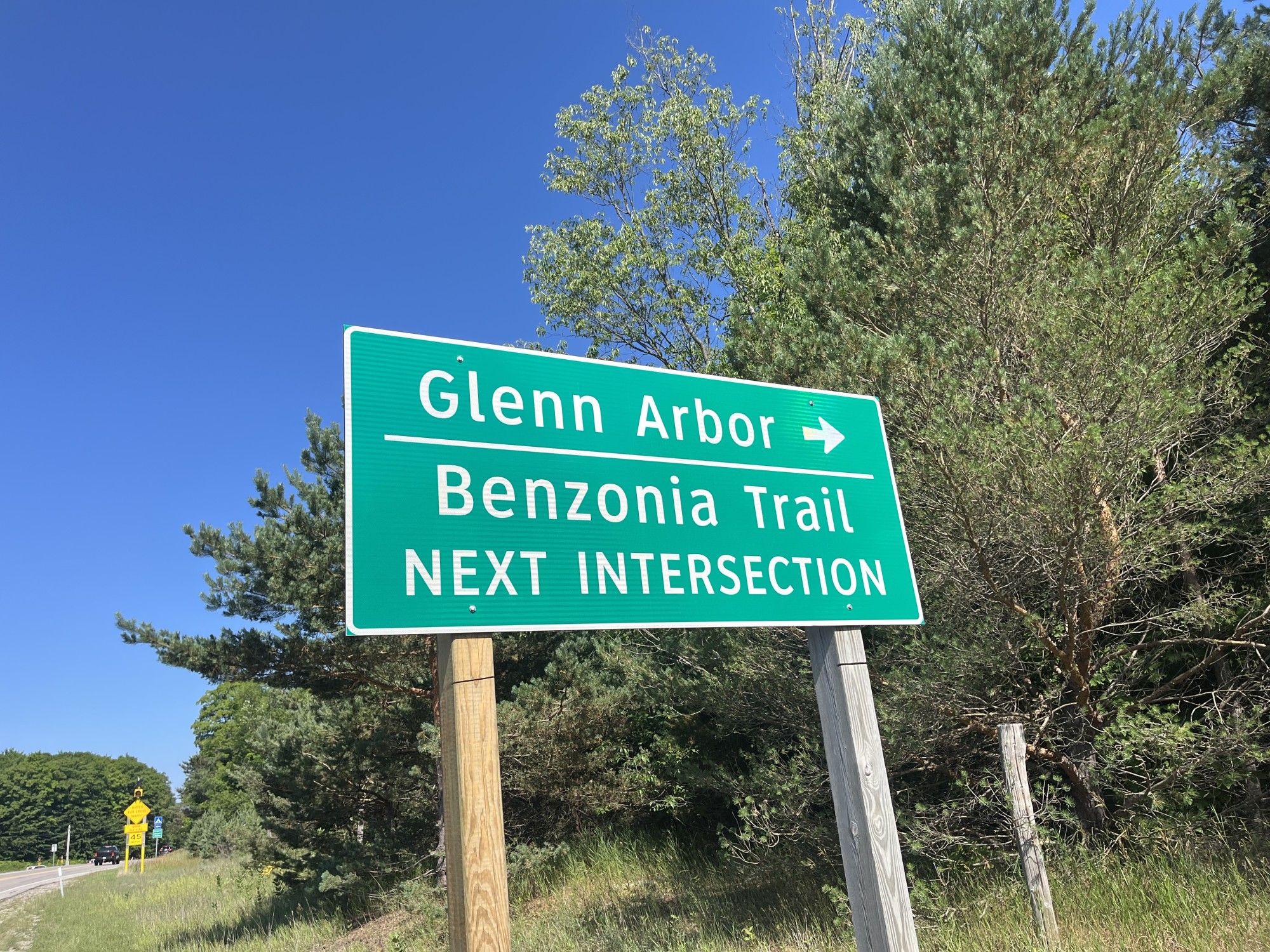
A rose by any other name would smell as sweet. So said Juliet in the Bard’s most famous work. But would Leelanau really be such a land of delight if that’s not what its name really meant? Spoiler alert: The name Leelanau doesn’t come from any Native American source. That’s despite the stories that have sprung up around it, some of which were spread by the person who came up with the name. Many of the county’s locations have stories surrounding their names. Start with Sleeping Bear Dunes, the story of which is well-known. Mama bear and her cubs swam across Lake Michigan to escape a forest fire. When Mama reached shore, she looked back, waiting for her cubs. She eventually became the sand dunes, while the cubs became the Manitou Islands.
Posts
This year in the Glen Arbor Sun we’re publishing a series on the living legacy of the Native Americans. A desire to push back against the rise of xenophobia in contemporary America is not the only reason we chose to examine the living legacy of the local Odawa and Ojibwe among us. Across civil society in Northern Michigan, and throughout the nation, it seems that more and more people are interested in learning the Native perspective on this land and the human history it has witnessed.
Share this:
- Share on Facebook (Opens in new window) Facebook
- Share on X (Opens in new window) X
- Email a link to a friend (Opens in new window) Email
- Share on Reddit (Opens in new window) Reddit
- Share on Pinterest (Opens in new window) Pinterest
- Share on LinkedIn (Opens in new window) LinkedIn
- Print (Opens in new window) Print
- Share on Tumblr (Opens in new window) Tumblr
One of the most puzzling marriages in Michigan history, perhaps in American history, has to have been that between Henry Schoolcraft and his Native American wife, Jane. Henry, whose name now graces roads, schools, and counties in Michigan, was an explorer who worked for the United States Department of War. He was the Indian agent at Sault Ste. Marie from 1823 to 1833. Jane was the daughter of an aristocratic Irish fur trader, John Johnston, and his wife, Ozhaw-Guscoday-Wayquay, daughter of a powerful Chippewa chief.
Share this:
- Share on Facebook (Opens in new window) Facebook
- Share on X (Opens in new window) X
- Email a link to a friend (Opens in new window) Email
- Share on Reddit (Opens in new window) Reddit
- Share on Pinterest (Opens in new window) Pinterest
- Share on LinkedIn (Opens in new window) LinkedIn
- Print (Opens in new window) Print
- Share on Tumblr (Opens in new window) Tumblr


