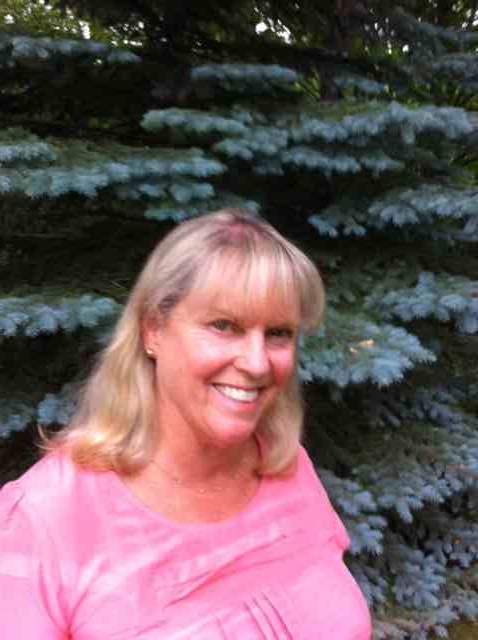
Republican Pete Hoekstra challenges Democrat Debbie Stabenow for U.S. Senate

 From staff reports
Senator Debbie Stabenow appears to have a big lead over her opponent, Republican challenger Pete Hoekstra. Stabenow is seeking her third term in Washington. The Glen Arbor Sun submitted these eight questions to both Stabenow’s and Hoekstra’s campaigns. See their responses below:
Glen Arbor Sun: What are the two biggest issues you’re pushing this election?
Pete Hoekstra: Michigan families are suffering through the worst sustained jobless rate in the history of America. We need to embrace pro-growth policies to create American jobs. This includes tax and spending reform, regulatory reform and domestic energy reform that encourages investment and creates jobs. America has also seen four consecutive trillion dollar deficits that only make America’s standing in the world weaker. Washington has a spending problem, not a revenue problem. We are already feeling the effects of massive deficits as employers are concerned that the burden will be placed on their backs. During my time on the House Budget Committee, we created surpluses. We did it by making tough decisions and reforming entitlement programs such as Welfare.
Debbie Stabenow: This election is about the future of the middle class and whether everyone has a fair shot at success. I believe we don’t have a strong economy unless we make things and grow things. That is what we do in Michigan. That’s the way we built the middle class. I was born in Gladwin and raised in Clare and am fortunate that my whole family still lives in Michigan. Whether fighting to bring the jobs of the future to Michigan, or making sure our Great Lakes are protected, for me, it’s all about what’s best for Michigan families.
Sun: How will you create more jobs for Michigan?
Stabenow: I’m proud to be leading the charge for advanced manufacturing and making things in Michigan. I will continue efforts to make Michigan a leader in high-tech manufacturing, including advanced vehicle technologies and clean energy. In fact Michigan is now #1 in new clean energy patents in the country. I also led the effort to create the new trade enforcement unit that is now cracking down on illegal trade actions by China and other countries– Because we need to export our products not out jobs.
Almost one out of four jobs in Michigan are supported by Agriculture. As Chairwoman of the Senate Agriculture Committee, I passed a bipartisan Farm Bill to reform programs, cut spending, and help grow MI agriculture, our second largest industry. Northern Michigan’s fruit, vegetable, and nursery growers are vital to Northern Michigan’s economy and the diversity of Michigan agriculture, and have been hit hard by severe weather conditions this year. In the last farm bill, I wrote a section that for the first time recognized the importance of our local growers, providing them with the tools they need to protect, market, and export their crops. My bipartisan Farm Bill that passed the Senate this year provides relief for Cherry growers and other producers without access to crop insurance, and strengthens crop insurance to protect growers from future disasters.
Hoekstra: What you see out of Washington right now is an anti-free market, anti-investment agenda that has stifled job creation. We see this with over burdensome regulations, the government takeover of health care, skyrocketing national debt and a President campaigning on tax increases. The result, the worst sustained jobless rate in the history of America and a majority of Americans saying we are on the wrong track. We can do better! We need to embrace common sense, pro-growth policies that allow markets, small businesses and farmers to operate. We need solutions on tax reform that will encourage investment into Michigan businesses, we need regulatory solutions that allow America’s farmers and entrepreneurs to compete, we need real solutions for domestic energy production that will reduce costs for families and manufacturers, and we need spending reform that will allow us to leave a better country for our grandchildren.
Sun: How will you support northern Michigan’s tourism industry?
Hoekstra: During my time in Congress, I worked in a bipartisan way on legislation that would protect the Sleeping Bear Dunes while providing access so that visitors and local residents can enjoy it. I would continue to work in a bipartisan way to ensure the Sleeping Bear Dunes can be enjoyed for future generations.
Stabenow: I am committed to protecting our rights to access and enjoy our woodlands, lakes and streams, which is critical to Northern Michigan tourism, and supporting national treasures like the Sleeping Bear Dunes. When public access to areas of the Huron-Manistee Forests was in jeopardy, I took action and called on the Forest Service to maintain public access for hunting and snowmobiling. And when the double-breasted cormorants threatened Michigan’s commercial and recreational fishing in the Great Lakes, I secured the funding to establish the highly successful cormorant control project administered by USDA Wildlife Services. I also worked in collaboration with the Grand Traverse Regional Land Conservancy and Leelanau Conservancy to permanently protected over 7,500 acres of farmland in the Grand Traverse region.
I am a strong advocate for the maintenance of our ports and harbors, calling for the full use of the Harbor Maintenance Trust Fund. I also authored the bipartisan Michigan Lighthouse and Maritime Heritage law that creates partnerships to restore lighthouses in Michigan and promote the maritime heritage of the Great Lakes. I have fought to protect our $7 billion fishing industry and $16 billion boating industry by working across the aisle with Republican Congressman Dave Camp to pass a new law requiring the creation of an action plan to block Asian carp and other invasive species from entering the Great Lakes. President Obama signed our bipartisan bill in July. My 2012 Farm Bill strengthens efforts that protect the Great Lakes with a new regional partnership program designed to protect the lakes from pollution. The bill also helps restore fish and wildlife habitats, and clean up polluted waterways—supporting hunting, fishing, and other opportunities for outdoor recreation, which helps our economy and creates jobs. As a member of the Senate Budget Committee, I spearheaded the effort to pass the historic Great Lakes Restoration Initiative, a major, multi-year federal commitment to restore and preserve the Great Lakes. The first bill I passed into law as a U.S. Senator was a ban on oil drilling in the Great Lakes.
Sun: Do you support President Obama’s bailout of the auto industry? Why or why not?
Stabenow: Yes. Today, four years after the rescue, there are more than 1.45 million middle class Americans who are working because our efforts were successful.
Hoekstra: I voted in support of the legislation that would provide bridge funding to the auto industry to ensure those jobs would remain in Michigan and would not bankrupt all of Michigan’s auto suppliers. The legislation that I supported would have ensured a transparent process with congressional oversight and taxpayer protections. The legislation passed the U.S. House, but failed in the U.S. Senate and ultimately was done through the Administration.
Sun: How should we respond to the changing energy landscape and to what extent do you prioritize climate change? And do you support the 25 percent in 2025 mandate?
Hoekstra: I support an “All the Above” energy policy that supports American energy production, encourages conservation and efficiency, and promotes greater use of alternative fuels, but does not pick winners and losers. The key to safe, reliable energy policy is American energy independence. The 25 by 25 mandate will put Michigan manufacturers, small businesses and farmers at a competitive disadvantage to other states and countries. It is estimated to cost Michigan families and businesses $12 billion in higher energy prices. Michigan already has a renewable energy standard and this type of legislation should go through the legislative process not placed in our Constitution.
Stabenow: I support a “do it all” strategy on energy that includes increased domestic production of oil and natural gas, increased production of offshore resources, as well as new clean energy alternatives like advanced batteries, wind, solar and biofuels. It is imperative that we reduce our dependence on foreign oil while also creating opportunities for Michigan businesses. As Chair of the Agriculture Committee, I am leading efforts to embrace the next generation of advanced biofuels that can transform plant and food waste into energy.
Sun: Name one valuable and one humbling lesson you’ve learned during your political career.
Stabenow: Growing up in Clare, I learned many valuable lessons. One of the most valuable is the importance of public service and giving back to the community.
Hoekstra: You may know, that when I served in the U.S. House I spent every night sleeping on my couch in the office. I did this not only to save money, but to ensure that I had another reason to fly home as soon as possible because I never wanted to get corrupted by Washington, D.C. You need to get back to the district and meet people face to face to understand the root causes of the problems to find the right solutions.
Sun: Why you have you chosen your party affiliation? And how do you see your party changing in the years to come?
Hoekstra: The Republican Party has long stood for promoting personal responsibility, less government spending and control, a strong defense and standing for the founding principles of this country. From my experience and working in the private sector, the ideals and principles outlined by the Republican party more accurately reflect my values.
Stabenow: I’m a Democrat because I am committed to making sure that everyone has a fair shot at the American dream, not just a privileged few. Some want to go back to giving tax breaks to millionaires and special interests, while I have fought to give tax breaks to middle class families and small businesses. The wealthy and well-connected have lobbyists–they’re fine. I’m fighting every day for Michigan’s middle-class families and small businesses.
Sun: What should be done to re-open the shuttered Sugar Loaf ski resort in Leelanau County? Should local government play a larger role in that endeavor?
Stabenow: This issue should be decided by the local community.
Hoekstra: I am not familiar with all the details of the Sugar Loaf ski resort and its closure, but am always willing to meet with business owners and local governments to determine solutions.