During one extraordinary week in August 2015, the sounds that dominated our town were the whirr of winds and the ugly crack of trees, followed by the buzz of chainsaws, the hum of generators, and the cheering and car honking as Consumers Power trucks and linemen rolled into town like a liberating army.

By Sarah Bearup-Neal Sun contributor The phrase “May Peace Prevail On Earth” is a straightforward wish. It carries no political baggage. It’s a sentiment that can be shared by all humans — who doesn’t want peace? — regardless of other opposing worldviews. And it’s a thought that launched a Northern Michigan business. In the 1980s, […]

The search for hometown heroes has a new chapter in Northern Michigan. An Empire Area Museum Center exhibit, standing front and center among the plethora of historic artifacts, tells the story of World War II pilot Col. Warren Aylsworth. It also speaks to the community’s ongoing effort to preserve its history, one remarkable citizen at a time.

Most of the towns and villages in Leelanau County were built up around the lumber business. And Port Oneida, most of it now part of the Sleeping Bear Dunes National Lakeshore, was no exception. It was first settled in 1852 by Carsten Burfiend, a German immigrant, who traveled with his wife Elizabeth to Buffalo, NY, in 1846. Elizabeth stayed in New York while Carsten went on to work as a fisherman on North Manitou Island. North Manitou had recently been settled by wood dealer Nicolas Pickard and his brother Simeon, who had been in the wooding business in New York. The brothers erected several docks at various locations around the island and began a successful wooding station business, supplying cordwood for fuel to passing steamships traveling from the Erie Canal to Chicago.

Think of warmth, sunshine and fun. Plan your August visit to Sleeping Bear Dunes National Lakeshore for the 14th annual Port Oneida Fair. Mark your calendar for Aug. 7 and 8, from 10 a.m. to 4 p.m., with special events on Friday and Saturday evenings.

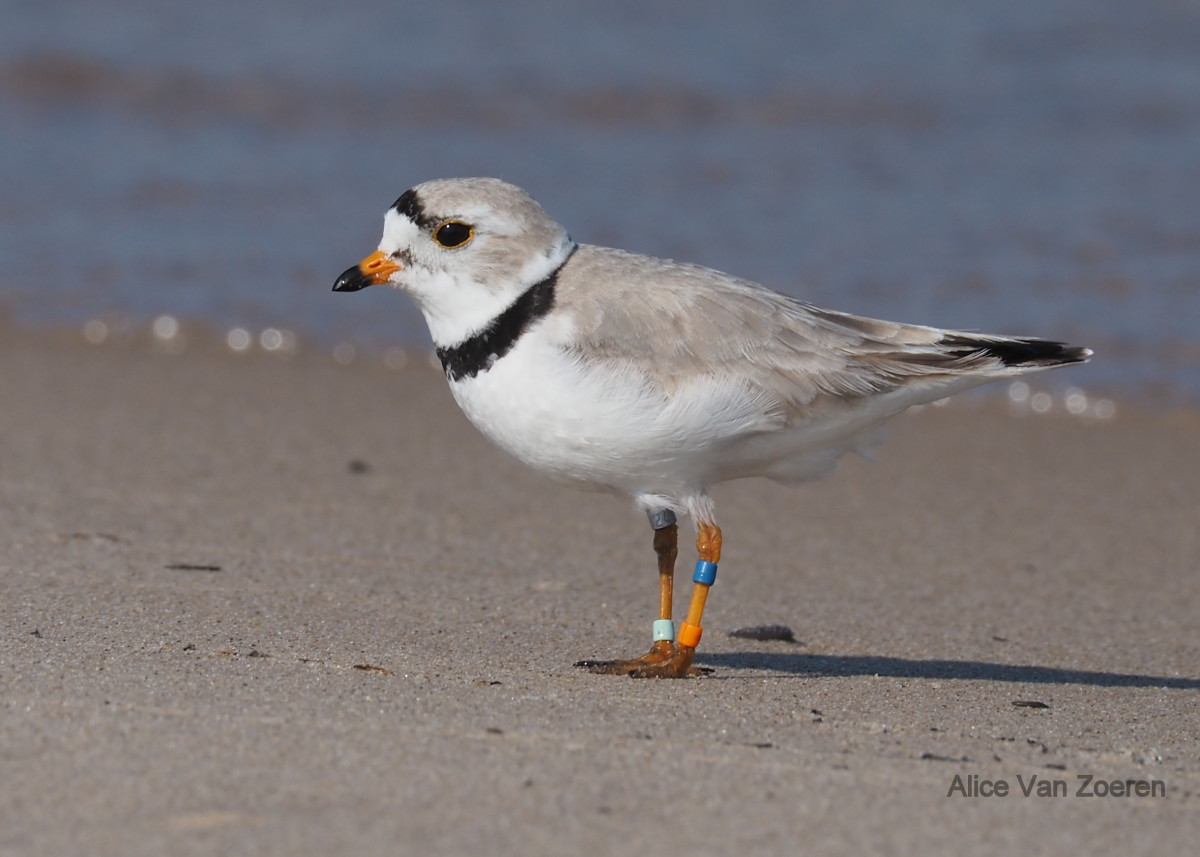
Francesca Cuthbert’s love affair began as a summer camper in the 1960s when she “fell in love with coastal dunes and islands in the Great Lakes,” she said June 11 at the opening Research Rendezvous lecture, a monthly series of talks about studies being conducted in the Sleeping Bear Dunes National Lakeshore. The talks are delivered year-round at the visitor center in Empire.

During the late 1800s, millions of people fled the Polish districts of Germany, Russia and Austria to come to the United States. Mostly peasants who lacked basic subsistence, they were attracted by ample job opportunities for unskilled labor in the United States. Many settled in cities such as Buffalo, Chicago, Detroit and Milwaukee to earn a living in meatpacking, construction, steelwork and heavy industry.

The Friends of the Glen Lake Community Library host their biennial Home Tour on Thursday, July 23, from 10 a.m. until 4 p.m. As one of the Friends’ primary fundraisers, the event showcases five distinctive and diverse Glen Lake area homes.

An argument can be made that the stars stayed closer to the earth because people did move, because their homes and farms and land legacies were purchased by the feds to become the Sleeping Bear Dunes National Lakeshore.

As farmers, the Leelanau Conservancy is a pretty important organization in our lives. Our family raises alpaca and antique apples on the Leelanau Conservancy-owned DeYoung Farm at the base of the peninsula. It was during the the process of applying for land-use and working on this historic property, we discovered the many facets of an organization we’ve come to love and appreciate, not just for its land preservation efforts, but also for the resulting, positive influence the Conservancy’s efforts have on all aspects of life on the Leelanau.