
This reflection on a nocturnal Alligator Hill ski was first published in our Winter 2000 edition. The alligator’s new look, following the Aug. 2, 2015, storm, prompted us to revisit these words.

This reflection on a nocturnal Alligator Hill ski was first published in our Winter 2000 edition. The alligator’s new look, following the Aug. 2, 2015, storm, prompted us to revisit these words.
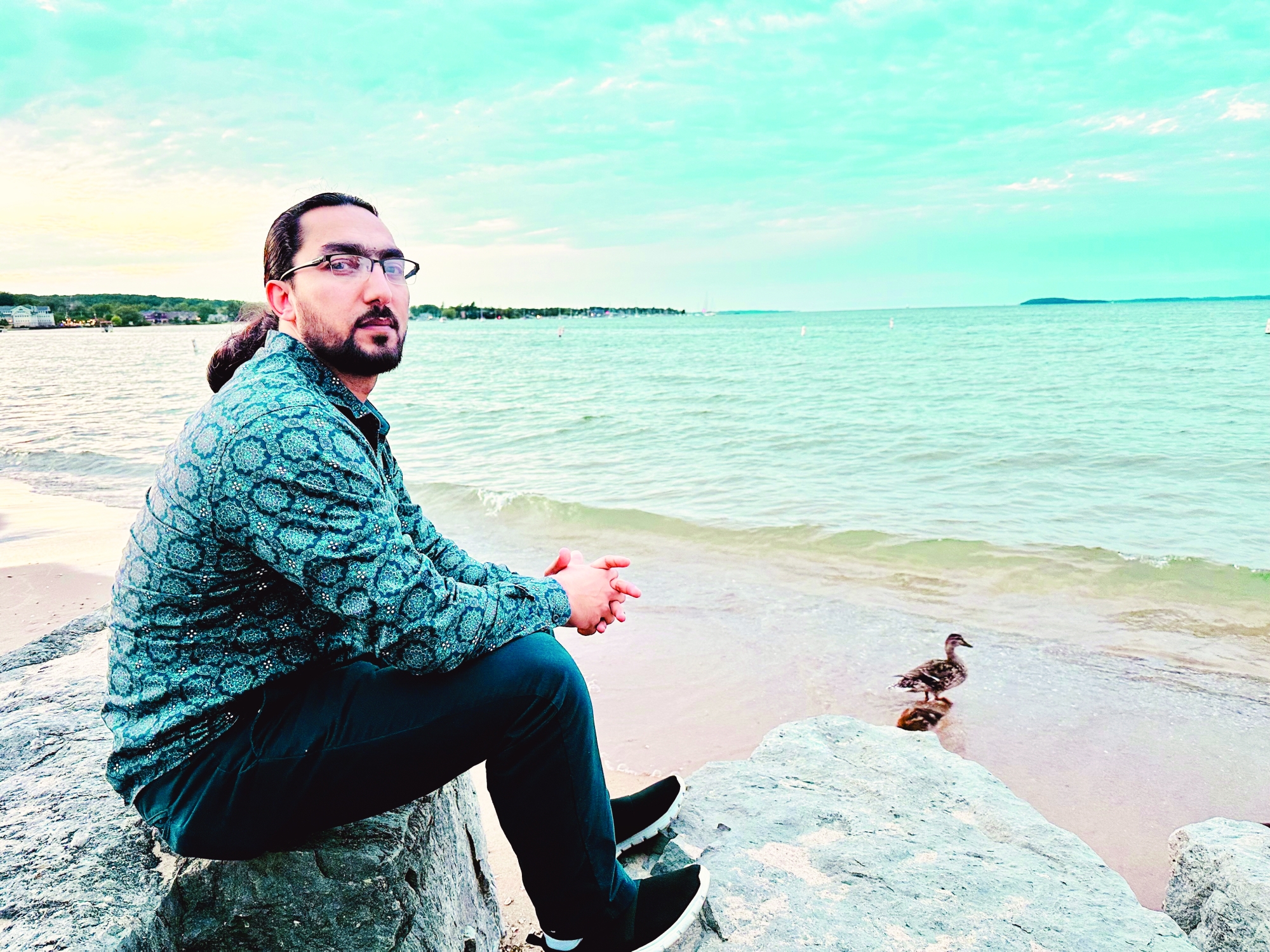
One man returns home in his pickup truck from his job managing a fruit processing plant near Empire to greet his children as they step off the yellow school bus. Another shares a homemade dinner with his wife and kids, then naps before working the nightshift in the radiology unit at Munson Medical Center. A third man retreats upstairs and uses a hand-me-down sewing machine to mend a customer’s torn Christmas stocking—his side gig to make extra money for his family after he works daytime hours at Spectrum. These could be the stories of any hard-working men in Leelanau County. In fact, they represent the everyday rituals of three Afghan refugees who worked with the U.S. military and then fled for their safety after the Taliban took Kabul and seized power four years ago.

When reading anything historical, while fascinating, it can be hard to connect to the information as it is not personally relevant or the idea that the historical event happened a long time ago creates a divide. The hurdle for the historian is how to bridge the reader to the past and make the information relevant? The newest release from the Leelanau Press, “Glen Arbor Township: A History to 1920” beautifully bridges the past for the contemporary reader.

Jim Harrison returns to northern Michigan on Dec. 8. The longtime Leelanau County resident, widely considered one of the finest literary voices of his generation, died in 2016 after penning 21 books of fiction and 14 books of poetry, which influenced a generation of writers. Todd Goddard’s biography of Harrison, titled “Devouring Time: Jim Harrison, a Writer’s Life,” published on Nov. 4. He will appear at the National Writers Series at the Traverse City Opera House on Dec. 8. The Glen Arbor Sun interviewed Goddard in late October about researching and writing the book. Read and watch the interview here.
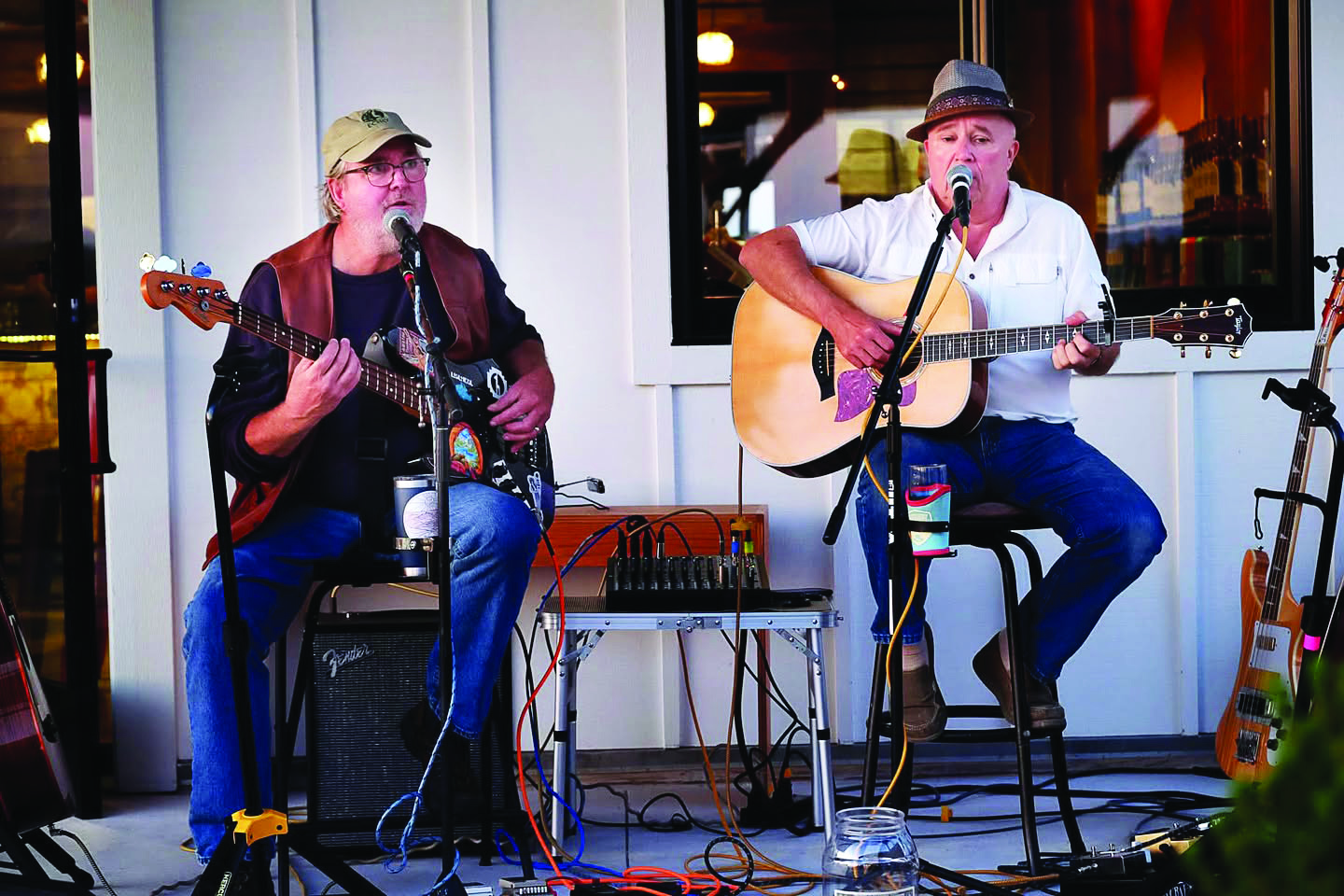
On the 50th anniversary of the wreck of the Edmund Fitzgerald—the most famous shipwreck on the Great Lakes—our story series celebrating songs inspired by Leelanau County and the Sleeping Bear Dunes continues with Paul Koss’s “The Last of the Leelanau Schooners”. Koss wrote his classic homage to the era of the tall ships back in the early 1990s when he was working with the Maritime Heritage Alliance preparing to launch the schooner Madeline. “I always had a love of sailing and maritime history because my Grandpa on my Mom’s side was a sea captain in the Merchant Marines,” Paul said. “The Madeline was modeled on a school ship moored in Bowers Harbor, and working on it planted the seed of an idea for a song. Not a song about “The Boat”—Gordon Lightfoot and Stan Rogers had already written those songs—but I wanted to write a song about the end of the tall ship era in our corner of the Great Lakes.” As Paul says when he performs this song: “The boat doesn’t sink and nobody dies!”
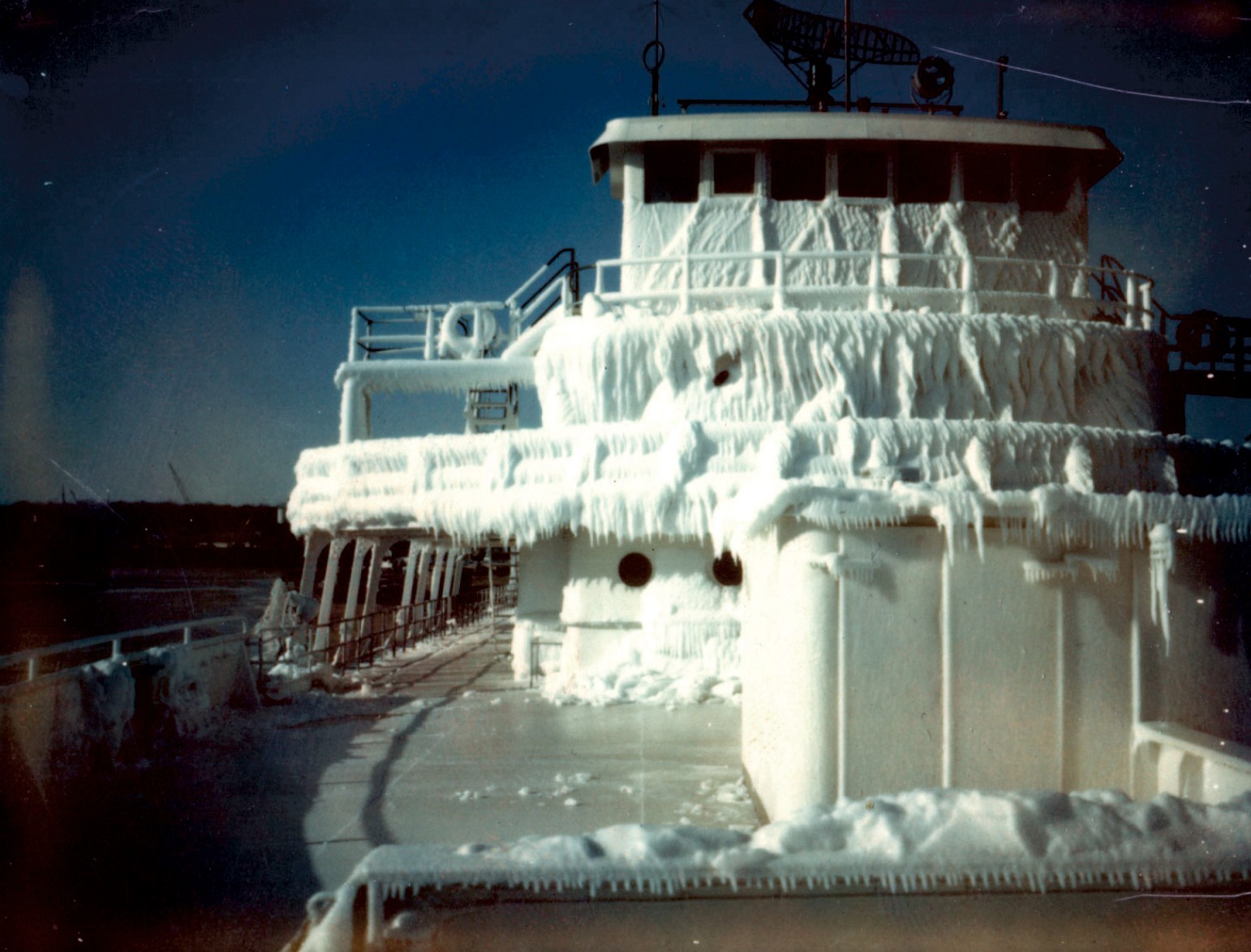
To commemorate the 50th anniversary of the infamous wreck of the Edmund Fitzgerald on Nov. 10, 1975, we’re reprinting Jed Jaworski’s riveting account—originally published in The Betsie Current, our sister publication in Benzie County—of a dramatic journey on board the car ferry Viking across Lake Michigan during a November gale. “All hands on deck, we are leaving the dock!” shouted the watchstander. Moments later, the ship’s mighty horn sounded one long blast, followed by a short blast and another long one, to summon any of the crewmembers who had not heeded the captain’s request to stay aboard. The scene below, on deck at the loading apron, was tense. One of the steel cables holding the ship to the dock had snapped, and the others were straining as the 350-foot ship lurched at its moorings. The wind had veered enough westward to send storm-wave energy into Lake Betsie, long known to be the harbor’s failing. There was no way to keep the ship at the dock. We would be forced to cross Lake Michigan in a full-on November storm.
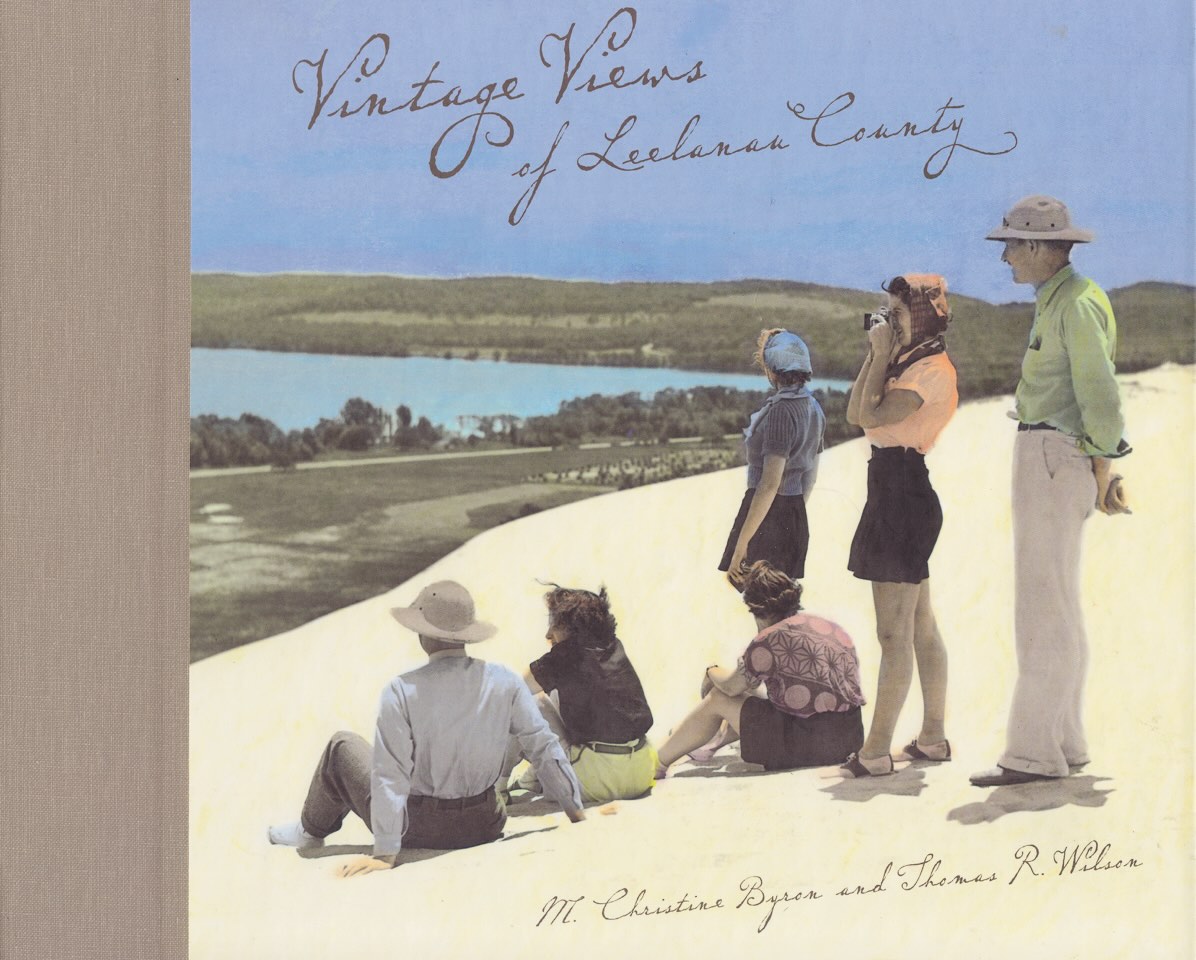
From the first “Gazetteer of the State of Michigan,” 1838, author John T. Blois explains his goal of “disabusing the public mind…of the gross misconceptions” about the state of Michigan, “[A] State, as fair and rich by nature, as her population are high-minded, enterprising, and intelligent”. Christine Byron and Thomas R. Wilson, creators and authors of the “Vintage Views” series of books, picked up Blois’ baton continuing his endeavors in sharing the stories, histories, and culture that make Michigan the “Peninsulam Amoenam.” Each Byron and Wilson work offers a fascinating journey through Michigan’s tourism history.
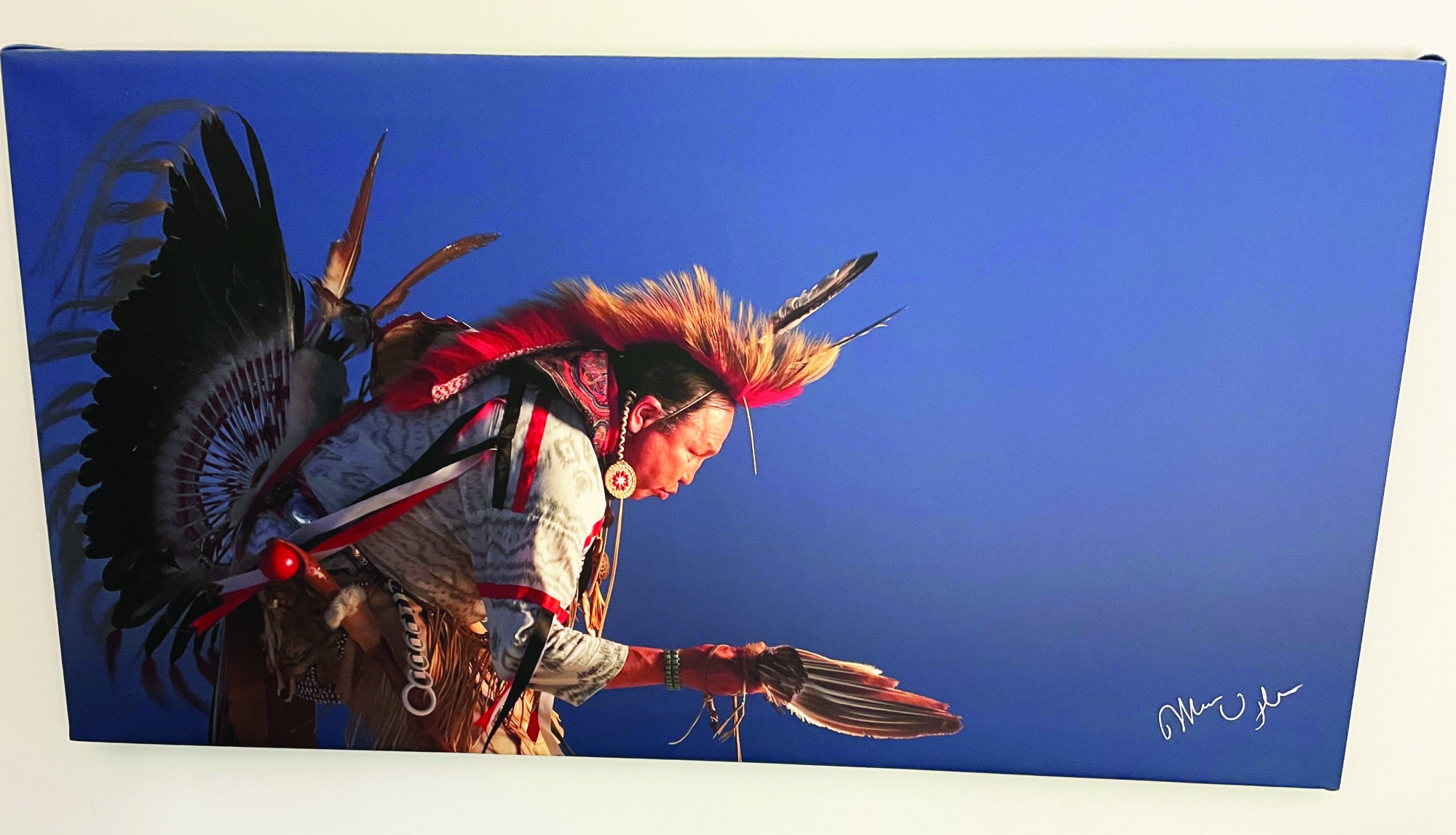
On a wall in Hank Bailey’s bedroom is a can’t-miss photographic print on a large canvas. Bailey, an Odawa (Ottawa) elder of the Grand Traverse Band of Ottawa and Chippewa Indians, is the unmistakable subject. He’s in his powwow dancing regalia in a “bending of the knees” pose, as the Anishinaabe word for powwow—Jingtamok—translates. Bailey wrote in the Sun in 2017, “I can say without being ashamed that I have been brought to tears during dances. I have felt so good while dancing it seemed like my feet were not even touching the ground.”

Some traditions and rituals return season after season, some wither away, and some are reborn after years of hibernation. Last month, Glen Arbor Sun editors Norm and Jacob Wheeler resumed their annual father-son baseball pilgrimage—this time to watch two games at Comerica Park in Detroit, where the Tigers were trying to stave off the rival Cleveland Guardians and gain a spot in the playoffs. Their roaring, red-hot start to the season had earned them the best record in baseball until July before they collapsed like a dozing cat and squandered a seemingly insurmountable 15.5-game lead over the team from Lake Erie. In this essay, Jacob reflects on their baseball trips and how America’s original national pastime has changed over the decades.

“French toast.” That was the codename that Leelanau Conservancy executive director Tom Nelson created for the top-secret project, 3.5 years in the making, to acquire Sugar Loaf, and turn the County’s once popular ski resort into a community gathering place. The Conservancy announced on July 17 that it will permanently protect the hill and 285-acre property in the heart of Leelanau County and bring this cherished location back to life for the first time in a quarter century. On Sept. 26 the Conservancy announced that it had reached its $8 million fundraising goal. Nelson said that more than 1,100 individuals have donated to the campaign. “This achievement is nothing short of historic,” said Nelson. “And it belongs to all of us. Overwhelming community support has made it possible to reach our $8M goal. We’re thrilled with the support and excitement.”